
⚡ Quick Answer
Yes, romantic getaways can help reduce stress in long-term relationships when they create shared positive experiences, uninterrupted time together, and a break from daily routines. Research highlighted by the American Psychological Association found that couples who experience positive emotions together tend to show lower cortisol levels later in the day, a biological marker linked to stress.
galleriaapp.com – The romantic travel benefits of spending quality time away together often extend far beyond a relaxing vacation. A thoughtfully planned getaway can strengthen communication, reduce everyday pressures, and create meaningful shared experiences that help couples reconnect.
Most people assume relationship stress comes from big problems.
After 14 years working with luxury hotels and romantic resorts across Europe and Asia, I’ve noticed something different. Many couples checking into a beautiful property aren’t arriving because they’re fighting. They’re arriving because life has quietly crowded out connection. Work schedules. School runs. Family obligations. Endless notifications.
That’s why the conversation around romantic travel benefits is more interesting than it first appears. The real value often isn’t luxury. It’s interruption.
A well-designed romantic escape temporarily removes the systems that create everyday pressure. That changes how couples interact, sometimes within the first 24 hours.

Why Do So Many Long-Term Couples Still Feel Stressed Together?
Stress doesn’t always look dramatic.
In long-term relationships, it often shows up as shorter conversations, less patience, and a growing sense that you’re managing life together rather than actually experiencing it together.
Relationship stress is the emotional strain created by ongoing pressures that affect how partners connect.
According to the National Institutes of Health, chronic stress can affect both physical and emotional well-being when it persists over time.
Many of the most important romantic travel benefits have little to do with luxury itself. Couples often experience relief because travel temporarily removes recurring stress triggers, creates uninterrupted time together, and encourages shared positive experiences that strengthen emotional connection. Those changes can influence both mood and relationship satisfaction long after the trip ends.
Here’s the thing: couples rarely notice this shift happening.
They assume they’re simply tired. Or busy. Or stuck in a temporary rut.
What nobody tells you is that relationships operate a lot like a garden irrigation system. If water stops flowing gradually, nothing looks wrong immediately. Weeks later, everything feels different.
The same thing happens with connection.
💡 Key Takeaway: Stress in long-term relationships is often caused less by conflict and more by a gradual loss of shared experiences and quality attention.
What Are Romantic Travel Benefits, Really?
The phrase gets thrown around a lot.
Romantic travel benefits are the emotional, psychological, and relationship improvements couples experience through intentional travel together.
Notice what isn’t in that definition.
Luxury suites aren’t required.
Private islands aren’t required.
Even expensive destinations aren’t required.
The strongest benefits usually come from three simple conditions:
- Shared experiences
- Reduced daily distractions
- Dedicated time together
This is one reason many couples choose specialized accommodations designed around connection rather than activity overload. Resources like Romantic Getaways Guide focus heavily on creating environments that encourage those moments naturally.
A misconception worth correcting: many people think travel works because it’s fun.
Fun helps.
But the deeper benefit is attention.
When couples stop dividing attention between work, household responsibilities, children, errands, and screens, they often rediscover interaction patterns that existed earlier in the relationship.
That’s very different from simply taking time off.
Why Can Romantic Getaways Reduce Stress in Relationships?
This is where the science becomes interesting.
The mechanism isn’t really about the hotel room, the destination, or the pool.
It’s about what happens inside the brain when stress signals decrease and positive experiences increase.
The American Psychological Association highlighted research involving hundreds of long-term couples showing that shared positive emotions were associated with lower cortisol levels later in the day. Cortisol is commonly known as a stress hormone.
Think of relationship stress like background noise in a restaurant.
At first, you barely notice it.
After hours of exposure, you feel mentally exhausted.
Then someone switches the noise off.
Suddenly conversation becomes easy again.
Romantic escapes can create a similar effect. They don’t necessarily solve every issue. They simply lower enough background pressure that connection becomes easier.
I’ve watched this happen countless times in hospitality settings.
A couple arrives distracted and exhausted. They’re checking emails during check-in. They barely notice the room.
Two days later they’re lingering over breakfast, talking without looking at their phones.
The destination matters less than people think.
The environment matters more.
How Shared Experiences Change the Way Couples Communicate
Shared experiences create new material for connection.
That sounds obvious, but it’s surprisingly powerful.
Researchers from the University of Illinois found that couples who intentionally savor positive experiences together tend to report greater relationship satisfaction and less conflict.
When couples experience something new together, they create fresh memories rather than repeatedly discussing existing responsibilities.
That’s important because many stressed couples spend most conversations focused on logistics.
Who’s picking up the kids?
Did you pay the bill?
What’s happening next week?
Useful conversations. Not necessarily connecting conversations.
Travel introduces a different type of interaction.
Curiosity replaces management.
Exploration replaces routine.
Why New Environments Affect Stress Differently Than Staying Home
Home contains reminders.
Laundry reminders.
Work reminders.
Maintenance reminders.
Even relaxing at home can keep people psychologically connected to daily obligations.
A vacation environment removes many of those cues.
Research published in BMC Public Health found measurable improvements in well-being and recovery among participants during a one-week vacation experience.
That doesn’t mean every trip automatically works.
Real talk: some couples bring stress with them.
They over-schedule.
They answer work emails.
They spend the entire trip documenting the trip.
Been there?
One of the strongest findings from vacation research is that psychological detachment matters. People tend to benefit more when they genuinely disconnect from work-related demands rather than remaining partially engaged.
For couples, that principle becomes even more important.
A romantic getaway works best when attention shifts from obligations toward each other.
Can a Weekend Away Really Improve Relationship Satisfaction?
Surprisingly, yes.
Not because 48 hours is magical.
Because concentrated attention can create meaningful change faster than people expect.
A common mistake is assuming relationship improvement requires months of effort before any results appear.
Sometimes the first improvement is simply feeling less overloaded.
The NIH notes that prolonged stress affects how people experience and recover from challenges.
Remove some of that pressure and couples often become more patient, more present, and more emotionally available.
Spoiler: that’s often enough to restart conversations that have been postponed for months.
If you’re planning an anniversary trip or reconnecting after a demanding season of life, accommodations designed around intimacy can help create those conditions. Couples frequently compare private villas, adults-only properties, and boutique hotels for exactly this reason. Resources such as Best Romantic Getaways for Anniversaries and Adults-Only Resorts for Romantic Getaways explore how different environments support connection in different ways.
One final thought before moving on.
People often ask whether romantic getaways reduce stress because they’re luxurious.
In my experience, luxury is a supporting character.
Attention is the main character.
And that’s where most couples underestimate the real power of travel.
Now that you know how romantic travel benefits work, here’s where most people go wrong: they assume the trip itself creates the result.
It doesn’t.
The trip creates the opportunity. What couples do with that opportunity determines whether the benefits last for days, weeks, or months afterward.
What Most Couples Get Wrong About Stress Relief Vacations
The biggest misunderstanding is surprisingly simple.
Many people treat a romantic getaway as an escape plan.
The couples who benefit most treat it as a reconnection plan.
Those sound similar. They’re not.
When travel is used purely to avoid existing problems, the stress often returns immediately after the trip ends. But when couples use travel to rebuild communication, create shared experiences, and establish healthier routines, the positive effects can continue long after checkout.
A romantic getaway is like hitting the reset button on a phone. The reset helps. But if the same apps keep draining the battery afterward, the problem returns.
The Difference Between Escaping Problems and Reconnecting Intentionally
Here’s what the guides won’t say.
Some couples book an incredible resort expecting the destination to do all the work.
No resort can fix communication patterns.
No private villa can create emotional intimacy by itself.
No sunset dinner automatically resolves months of stress.
What these experiences can do is create the conditions where meaningful conversations happen more naturally.
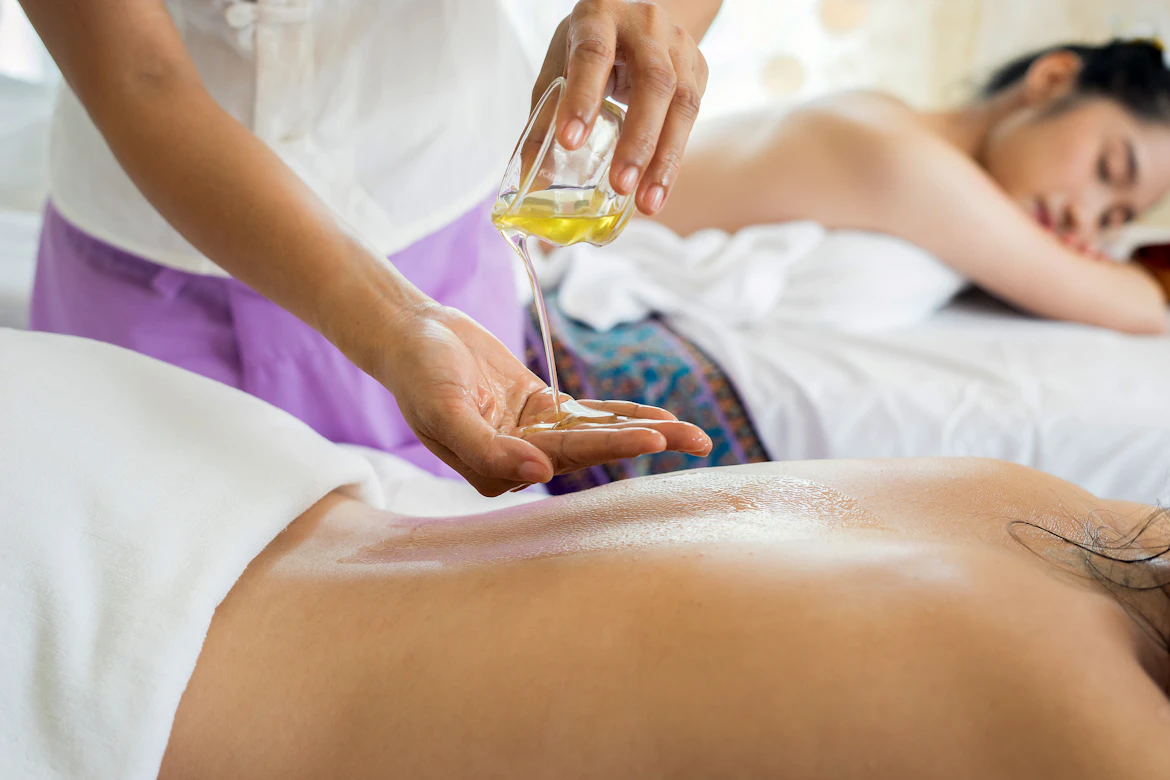
That’s one reason many couples choose experiences built around connection rather than constant activity. Properties featuring wellness programs, private dining, and slower itineraries often support this goal better than schedules packed from sunrise to sunset.
For couples comparing accommodation styles, guides like Romantic Hotel vs Vacation Villa and Private Pool Villas for Romantic Vacations explore how different settings influence privacy and connection.
How to Plan Couples Wellness Travel That Actually Helps
Couples wellness travel is travel designed to improve emotional and mental well-being together.
The keyword there is together.
Not parallel relaxation.
Shared relaxation.
Many of the strongest romantic travel benefits come from simple habits rather than expensive upgrades. Couples wellness travel works best when partners intentionally create shared experiences, limit distractions, and protect time for meaningful conversation instead of filling every hour with activities.
Practical Step-by-Step Process
- Choose connection-focused travel goals before booking.
Decide whether the trip is meant for relaxation, celebration, communication, or recovery from a stressful season. Clear expectations prevent disappointment later. - Reduce digital interruptions.
Set boundaries around work emails and social media. Even a few hours of uninterrupted attention can change the quality of conversations. - Schedule one meaningful shared activity each day.
It could be a spa treatment, hiking trail, cooking class, or sunset walk. Shared memories matter more than packed itineraries. - Create space for unstructured time.
Some of the best conversations happen when nothing is scheduled. Leave room for spontaneity. - Talk about the future, not just current problems.
Conversations centered on hopes, goals, and experiences often feel more energizing than endless problem-solving. - Bring one positive habit home.
Continue something from the trip, whether that’s morning coffee together or a nightly walk. This helps extend the benefits.
💡 Key Takeaway: The most effective romantic escapes aren’t packed with activities. They’re designed around attention, presence, and shared experiences.
Which Travel Experiences Tend to Create the Strongest Connection?
Not all travel experiences create the same emotional effect.
After years observing guest behavior in luxury hospitality, I’ve noticed that the most memorable trips often include:
- Shared wellness experiences
- Nature-based activities
- Meaningful meals without distractions
- Experiences that create new memories
Interestingly, novelty plays a bigger role than luxury.
A simple coastal walk in a new destination can create stronger emotional impact than an expensive activity that feels rushed.
Why does this matter? Glad you asked.
Novel experiences encourage couples to engage with each other differently. They create stories that become part of the relationship narrative later.
That’s one reason many travelers seek specialized romantic properties rather than standard vacations. Articles such as Luxury Romantic Hotel Amenities explain how thoughtful experiences often contribute more than material luxury alone.
Do Luxury Romantic Escapes Work Better Than Simple Getaways?
Sometimes.
But not for the reason people expect.
Luxury doesn’t automatically reduce stress.
Luxury removes friction.
Private transfers eliminate transportation hassles.
Personalized service reduces planning fatigue.
Quiet accommodations reduce interruptions.
These factors can make it easier for couples to focus on each other.
However, I’ve seen couples reconnect beautifully during modest weekend trips and struggle during five-star vacations.
The determining factor is rarely the room category.
It’s how intentionally the couple uses their time together.
When Romantic Getaways May Not Solve the Underlying Problem
This deserves an honest discussion.
Travel is powerful.
Travel is not therapy.
If a relationship is dealing with deep trust issues, serious communication breakdowns, or long-standing unresolved conflict, a vacation may provide temporary relief without addressing root causes.
Fair warning: expecting a trip to completely transform a struggling relationship can create unrealistic pressure.
Healthy expectations look more like this:
- Reduced stress
- Better communication opportunities
- More positive interactions
- Stronger emotional connection
Those outcomes are meaningful.
They’re just different from solving every underlying issue.
Myth vs Reality
| What Most People Believe | What Actually Happens |
|---|---|
| Romantic trips only help newlyweds. | Long-term couples often benefit the most because daily responsibilities are greater. |
| Expensive vacations create stronger relationships. | Intentional shared experiences matter more than spending levels. |
| A weekend is too short to make a difference. | Even brief breaks can reduce stress and improve connection when used intentionally. |
At-a-Glance Reference: What Supports Lasting Benefits?
| More Effective | Less Effective |
| Shared experiences | Separate activities all day |
| Digital boundaries | Constant work communication |
| Flexible schedules | Overpacked itineraries |
| Meaningful conversations | Logistics-only discussions |
| Post-trip habits | Returning immediately to old routines |
Frequently Asked Questions
How does couples wellness travel actually reduce stress?
Couples wellness travel reduces stress by removing common pressure sources and creating opportunities for shared positive experiences. Research from the American Psychological Association suggests that positive emotions shared between partners are linked to lower stress responses. The effect comes from both relaxation and improved connection.
How long do the benefits of a romantic getaway typically last?
The answer varies. Some studies on vacation recovery suggest improvements in well-being can last several weeks after travel. The duration often depends on whether couples continue positive habits developed during the trip after returning home.
Is it true that couples need expensive trips to reconnect?
No. That’s one of the most persistent myths in romantic travel. A thoughtfully planned weekend away can provide many of the same emotional benefits as a luxury international vacation if it creates quality time and meaningful shared experiences.
Can stress relief vacations help couples who argue frequently?
Okay, this one’s more complicated. Travel can lower stress and create better conditions for communication, but it doesn’t automatically resolve deeper relationship issues. Couples experiencing frequent conflict may benefit from combining travel with intentional communication strategies or professional support.
Why do some couples return from vacation feeling exactly the same?
Great question — the most common reason is that they never fully disconnected from the routines causing stress in the first place. If work emails, constant scheduling, and daily pressures continue throughout the trip, the relationship may not experience the mental reset that travel can provide.
What This Actually Means for You
The conversation around romantic travel benefits often focuses on destinations, luxury amenities, or dream itineraries.
That’s understandable.
But after years working with hotels and resorts designed specifically for couples, I’ve come to a different conclusion.
The real value isn’t where you go.
It’s what the environment allows you to notice again.
A romantic getaway creates distance from routines that slowly consume attention. Sometimes that distance reveals how much connection was still there all along.
Whether it’s a luxury resort, a boutique hotel, or a simple weekend retreat, the goal isn’t escaping reality. The goal is creating enough room for your relationship to breathe.
And if you’re considering your next trip, focus less on finding perfection and more on creating intentional time together. That’s where the most meaningful romantic travel benefits usually begin.
What has been your experience with romantic escapes or couples wellness travel? Share your thoughts or questions in the comments.

Olivia Bennett is a luxury hospitality consultant with 14 years of experience working with boutique hotel brands across Europe and Asia. She has contributed to Hotel Management Today and advises independent luxury resorts on guest experience optimization.
Now share tips Luxury Hotels on galleriaapp.com